Reviews, Features & Interviews
During the Spanish flu, existential paintings by Edward Munch and Egon Schiele
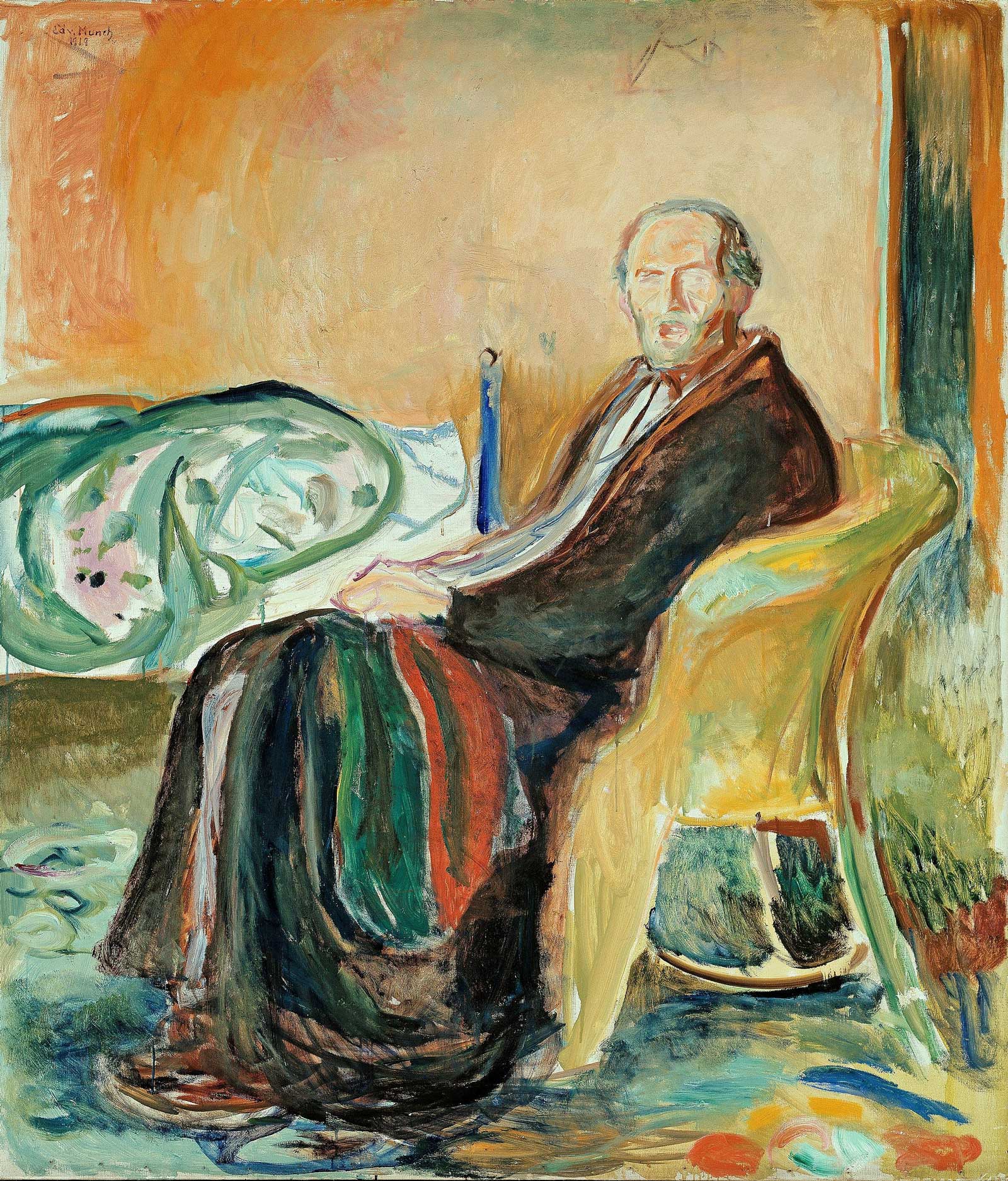
The influenza epidemic of 1918 known as the Spanish flu is the closest precedent in modern times to the corona virus. It killed more than fifty million people world wide and was unusual in affecting not only the elderly and young children, but also healthy adults in their prime. Edvard Munch caught the disease and made numerous self-portraits as he was recovering.
Edward Munch “Self Portrait With Spanish Flu” (1919) oil/canvas, Munch Museum, Oslo
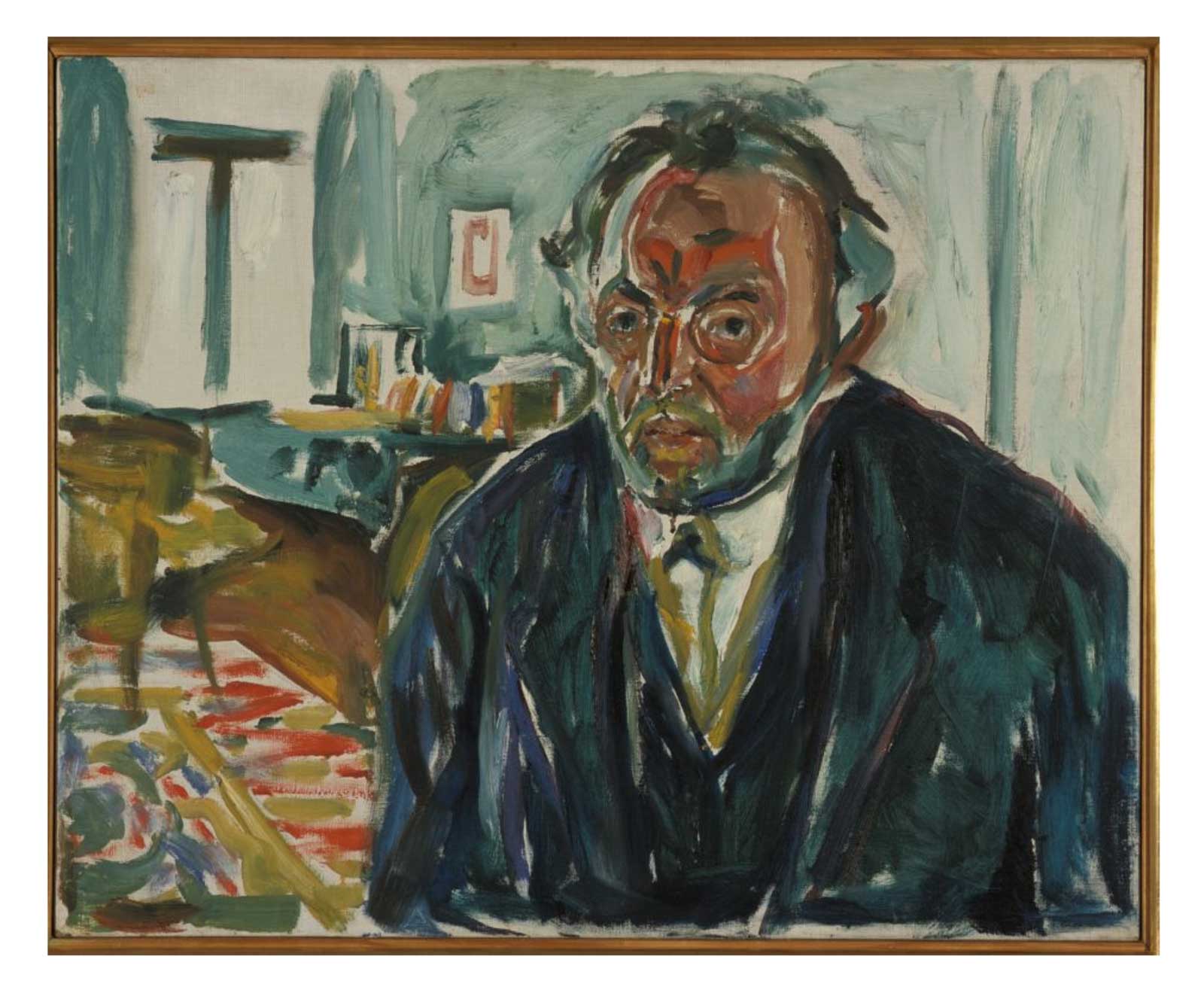
Edward Munch “Self Portrait With Spanish Flu” (1919) oil/canvas, Munch Museum, Oslo
He was one of the lucky ones. Egon Schiele drew his teacher, Gustav Klimt, on his deathbed – a victim of the Spanish flu. That year he also painted an imaginary scene of the family he anticipated, showing his wife sitting between his spread, crouching legs with their swaddled baby at her feet.
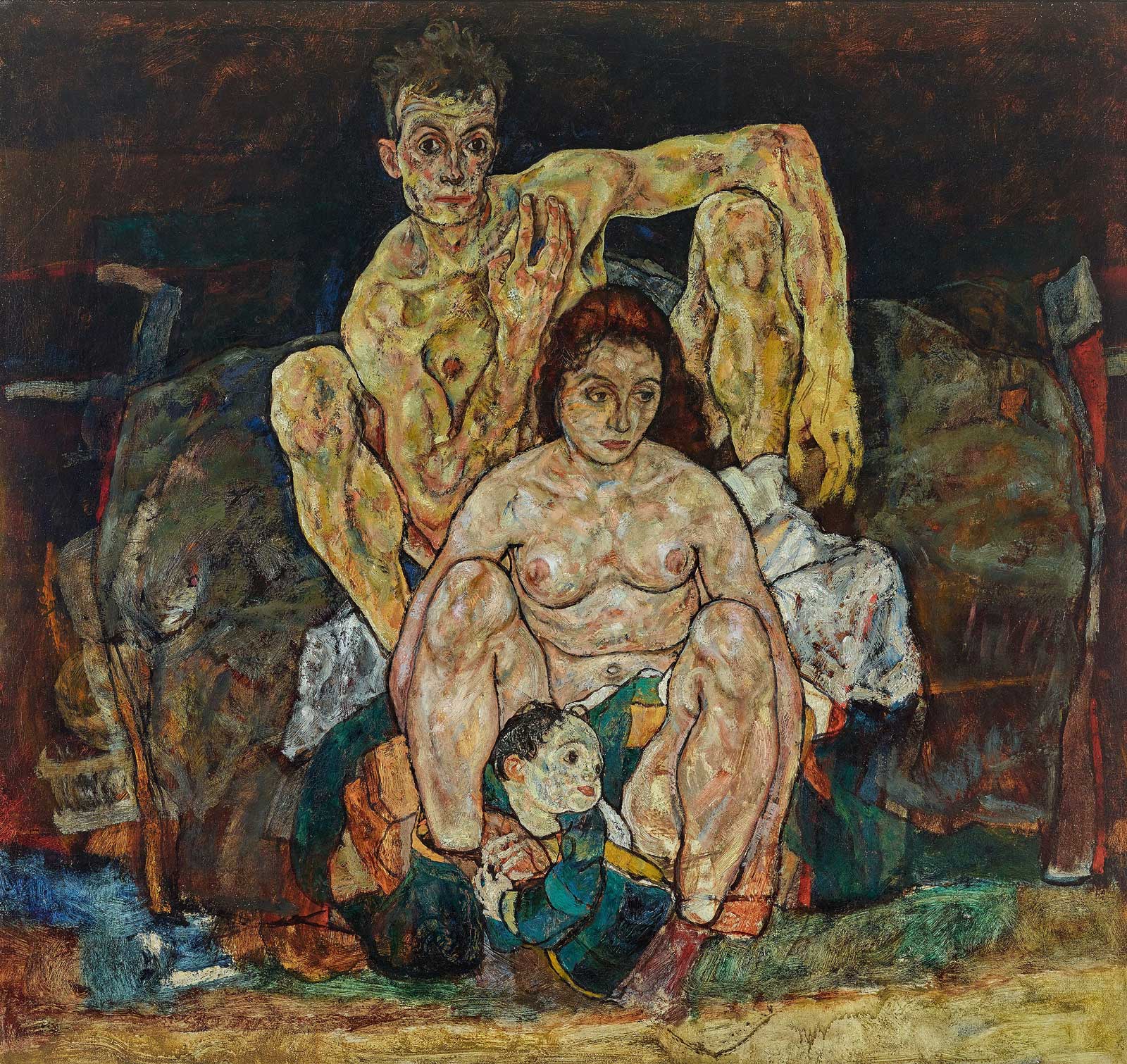
Egon Schiele “The Family”(1918) oil/canvas, The Belvedere, Vienna
Edith was six months pregnant when she caught the Spanish flu, and Schiele drew her on her deathbed. He died three days later at the age of 28.
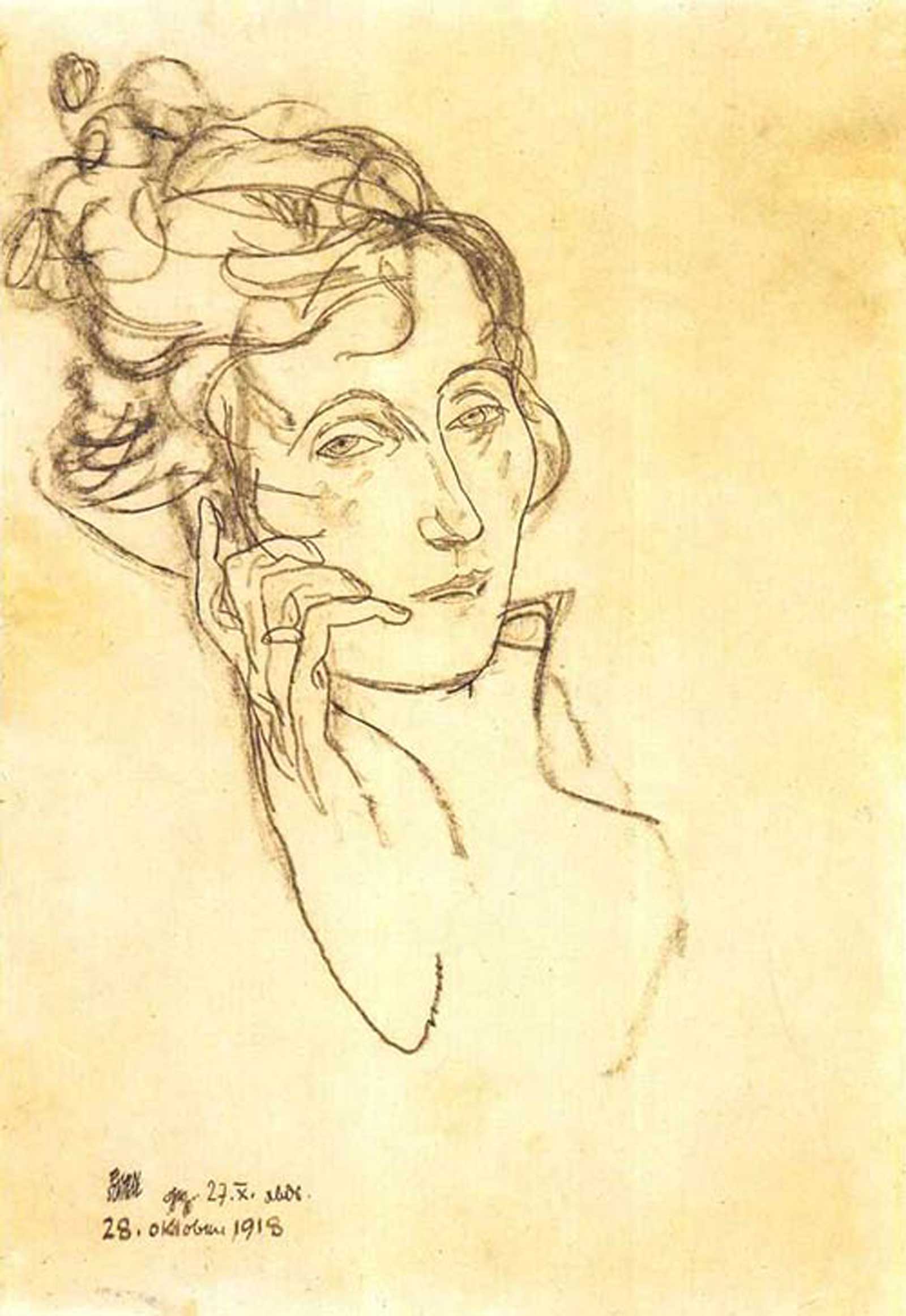
Egon Schiele “Edith Schiele on her Deathbed” (1918) chalk on paper, Leopold Museum, Vienna